

Automotive exhibitions and exhibitions have become a beloved tradition for vehicle aficionados around the globe, evolving significantly over the years. From modest origins with a couple of old vehicles on showcase to grand events showcasing the cutting-edge innovations in automotive design and innovation, car shows serve as a vibrant celebration of vehicle culture. Whether it’s a classic vehicle exhibition featuring elegant automobiles or a hypercar showcase highlighting the most powerful vehicles, there is something for everyone in the diverse landscape of car events.
As we travel through the history of car shows, we find a intriguing tapestry woven with enthusiasm, community, and innovation. Local car shows bring neighbors together to share their love for automobiles, while massive auto shows attract global audiences eager to see the upcoming automotive trends. Classic car enthusiasts often gather to dedicated festivals, including classic vehicle show s and car meet events, where they can admire both nostalgic features and the narratives behind these cherished automobiles. Each gathering not only showcases the advancement of the automobile but also nurtures a sense of community among fans, creating experiences and inspiring young enthusiasts to cherish the art of car craftsmanship.
The History of Car Shows
The idea of car shows originates from the early 1900s when car makers started holding events to present their most recent models. These events transformed from simple gatherings into massive exhibitions, attracting not just buyers but also enthusiasts and the mass audience. The first major auto show, the Paris Auto Show, was launched in the year 1898, setting a standard for coming automotive events worldwide. As the popularity of automobiles expanded, these events became a venue for advancement, where car manufacturers revealed advanced designs and technology.
By the 1950’s and 1960’s, car shows had developed into a mainstay of U.S. culture, particularly with the rise of the retro car exhibition. These shows celebrated old-school vehicles, highlighting the craftsmanship and design of past eras. Car enthusiasts would come together to appreciate classic models, and this trend inspired the creation of local car shows and celebrations in towns across the U.S.. In addition to featuring classic cars, these gatherings fostered a sense of camaraderie among fans, leading to the growth of car meets that hosted relaxed gatherings in car parks and public spaces.
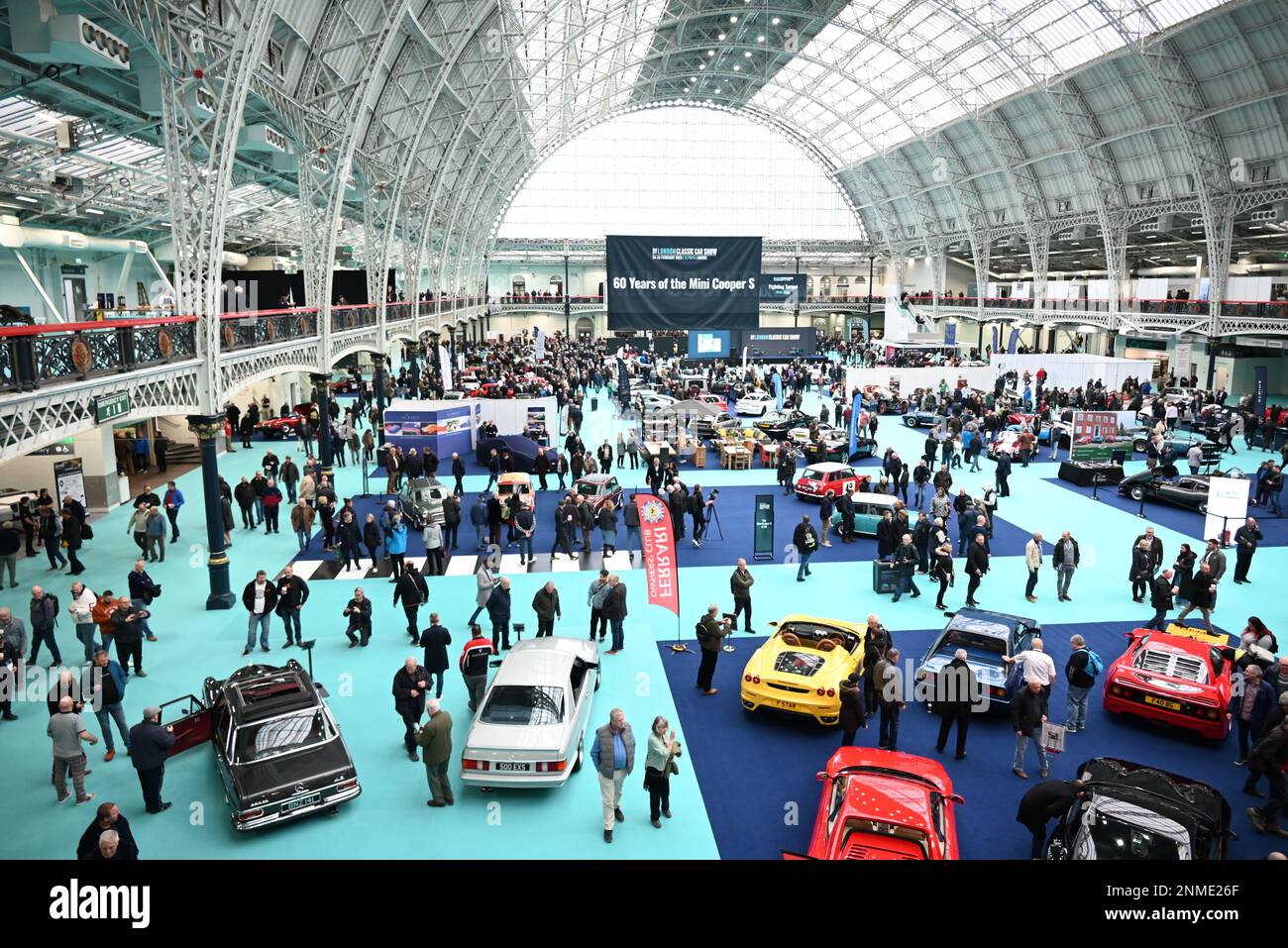
As the automotive industry continued to progress, so did car shows. The advent of distinct events marked a new era, with themes focusing on classic car expos, American car shows, and even modified car shows. The rise of electric vehicles has led to the emergence of electric vehicle exhibitions, showing shifting consumer interests and the industry's transition toward green practices. Today, car exhibitions continue to welcome crowds, with innovative displays and participatory experiences, remaining faithful to their beginnings while adapting to modern technologies and technologies.
Types of Automotive Exhibitions
Car shows come in various forms, each catering to varied preferences and roles within the automotive world. Classic car shows focus on classic automobiles, showcasing vehicles that have withstood the ages. These events draw aficionados who appreciate the legacy and craftsmanship of historic automobiles. Participants often enjoy viewing cars from multiple generations, sharing stories, and sometimes joining in competitions for awards.
Motor shows and automotive exhibitions are big events that feature contemporary automobiles, innovative technologies, and sector developments. Such automotive events often host manufacturers, giving consumers a sneak peek at new releases and advancements in the car industry. Visitors can also get involved in interactive displays, talks, and launch events, making it a dynamic center for motor fans and trade professionals alike.
Community car events and vehicle gatherings represent a community-driven aspect of the automotive scene. Such meetups often feature a mix of vehicles, from regular automobiles to modified masterpieces. Participants bond over their mutual enthusiasm for cars, creating a welcoming environment where people can present their cars and interact with fellow enthusiasts. Such occasions can range from casual meetups in lots to formal exhibitions in city parks, celebrating the diversity of the automotive culture.
A Future of Automotive Exhibitions
In light of the car industry changes, so too will car shows and events. Due to the rise of EVs and advancements in automotive technology, upcoming car exhibitions are likely to incorporate greater creative features. Look forward to seeing an increase in the presence of electric and hybrid vehicles at community car shows, along with dedicated sections for eco-friendly models at well-known auto shows. Such changes will both highlight the latest advancements but also draw in a younger and more diverse audience.
Interactive experiences will have a central role in the evolution of car events. Including virtual reality test drives to online car meets, the integration of technology is set to redefine how fans interact with cars. Future historical car shows may leverage augmented reality to provide deeper insights into the background and technical aspects of showcased vehicles, enriching the attendee experience. This blend of tradition and innovation will keep car festivals relevant in an ever-changing automotive world.
Moreover, the emphasis on inclusivity and community involvement will shape the ministry of car events. Organizers are increasingly valuing diversity, aligning events with regional interests and cultures. Future car shows may feature more varied themes, honoring a range of modified cars to vintage auto shows that celebrate various eras of automotive design. This trend toward inclusion will ensure that car meet s and exhibitions cater to a broader audience, fostering a sense of belonging among enthusiasts of diverse backgrounds.